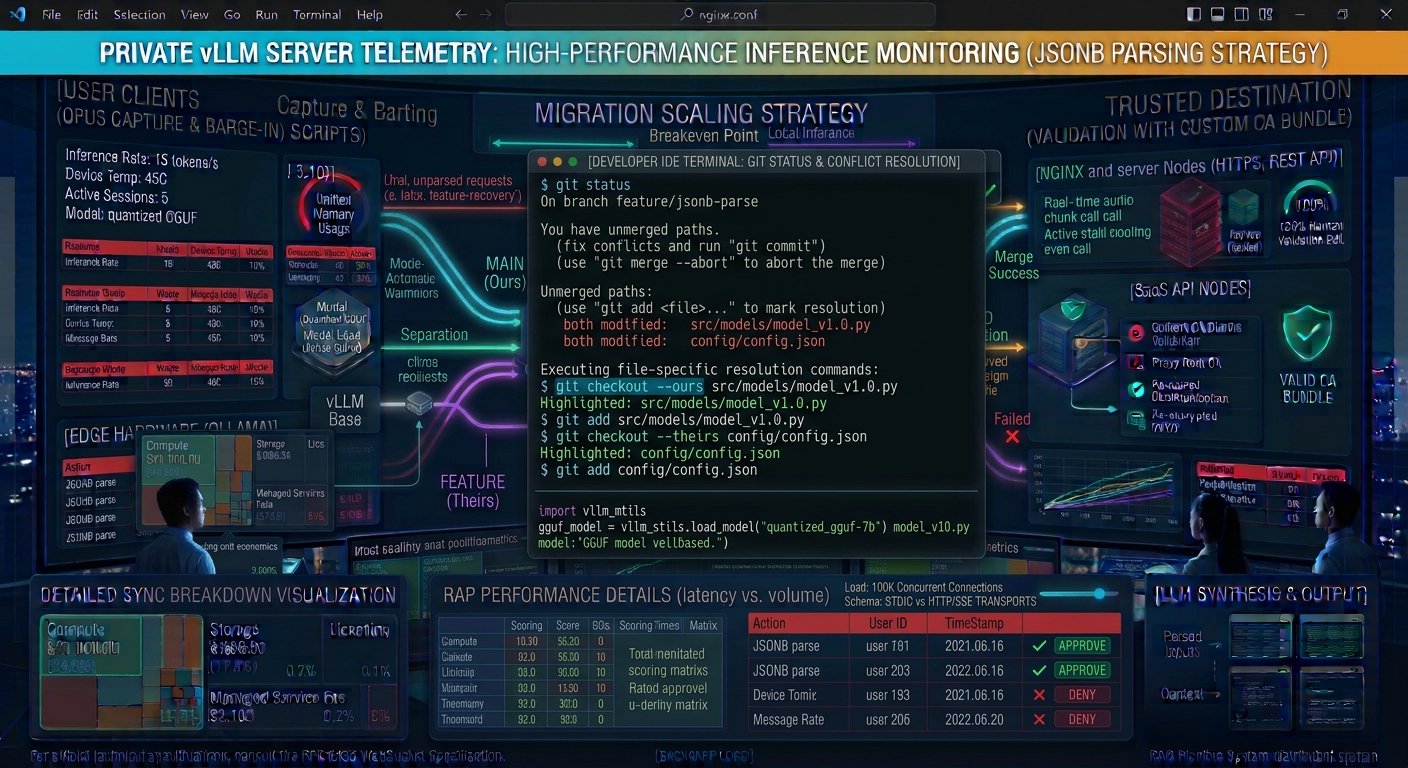
How to Resolve Git Merge Conflicts with “Ours” and “Theirs” Strategies
Resolve Git Merge Conflicts

Merge conflicts are an inevitable part of collaborative software engineering. When two developers modify the same lines of code or when a feature branch diverges significantly from the main line of development, Git halts the merge process and inserts conflict markers into the affected files. While manual inspection and editing are standard practice,managing massive merges or repetitive codebase … Read more
How to Configure an NGINX Reverse Proxy for WebSockets with SSL Termination

 How to Configure an NGINX Reverse Proxy

How to Configure an NGINX Reverse Proxy for WebSockets with SSL Termination Deploying real-time web applications powered by WebSockets requires robust edge routing, secure encryption, and low-latency connection management. By default, WebSockets initiate via an HTTP/HTTPS handshake before “upgrading” to a persistent, bidirectional TCP connection. When exposing these services to production users behind a secure gateway, configuring an intermediary proxy can become … Read more

Building Voice-First Generative AI Assistants with Speech-to-Speech LLMs

building-voice-first-generative-ai-assistants

Conversational AI has evolved far beyond clunky, rules-based interactive voice response (IVR) systems and rigid text-chat windows retrofitted with speech synthesis. Modern users expect fluid, human-like voice interactions characterized by sub-second latency, natural prosody, emotional nuance, and the ability to handle mid-sentence interruptions seamlessly. Historically, engineering teams implemented voice bots by chaining separate components together: a Speech-to-Text (STT) engine, a text-based Large Language Model … Read more

Prompt Injection Defense Strategies for Secure Production AI Applications

Defense Strategies for Secure Production

Integrating Large Language Models (LLMs) into customer-facing software unlocks powerful automation capabilities,but it also introduces unique security vulnerabilities. Unlike traditional software that separates executable code from user data, LLMs process instructions and data within the exact same natural language input stream. This architectural characteristic exposes applications to prompt injection—a vulnerability where malicious actors manipulate prompts to hijack model behavior, bypass … Read more

How to Clean Up Docker Images, Containers, and Volumes to Free Disk Space

Clean Up Docker Images, Containers, and Volumes

As you build, test, and deploy applications using containerization, your local workstation or production server quickly accumulates hidden storage bloat. Every time you build a container image, pull updates, or spin up microservices,Docker caches layers, leaves behind stopped containers, and retains persistent volumes that linger long after their parent containers have been deleted. Over time, this unmanaged data consumes gigabytes—or even terabytes—of disk space, eventually triggering … Read more

How to Resolve Git Detached HEAD State and Save Your Commits

How to Resolve Git Detached HEAD State

Encountering the dreaded warning message—You are in a ‘detached HEAD’ state—while running standard Git commands can instantly cause panic. Whether you checked out a specific historical commit hash to test a bug or accidentally switched to a tag, finding yourself disconnected from any local branch means that any new commits you write are floating untethered and risk … Read more

How to Extract and Parse JSON Data inside PostgreSQL Queries

How to Extract and Parse JSON Data

How to Extract and Parse JSON Data. Modern software applications often rely on flexible, semi-structured data formats like JSON to handle dynamic schemas, third-party API payloads, and user preferences. However, storing unstructured text in a relational database is only half the battle; developers and data engineers must be able to query, extract, and parse that data efficiently without sacrificing relational integrity. PostgreSQL … Read more

How to Optimize Latency in Real-Time WebRTC Audio Streaming Systems

 How to Optimize Latency in Real-Time WebRTC

Real-time audio streaming powers modern interactive experiences, including collaborative voice spaces, multi-player gaming chat, virtual classrooms, and low-latency generative AI voice assistants. While WebSockets or HTTP/2 streams are sufficient for text and lightweight telemetry, sub-100ms conversational audio demands a robust UDP-backed peer-to-peer or selective forwarding architecture. However, simply establishing a WebRTC session does not guarantee … Read more

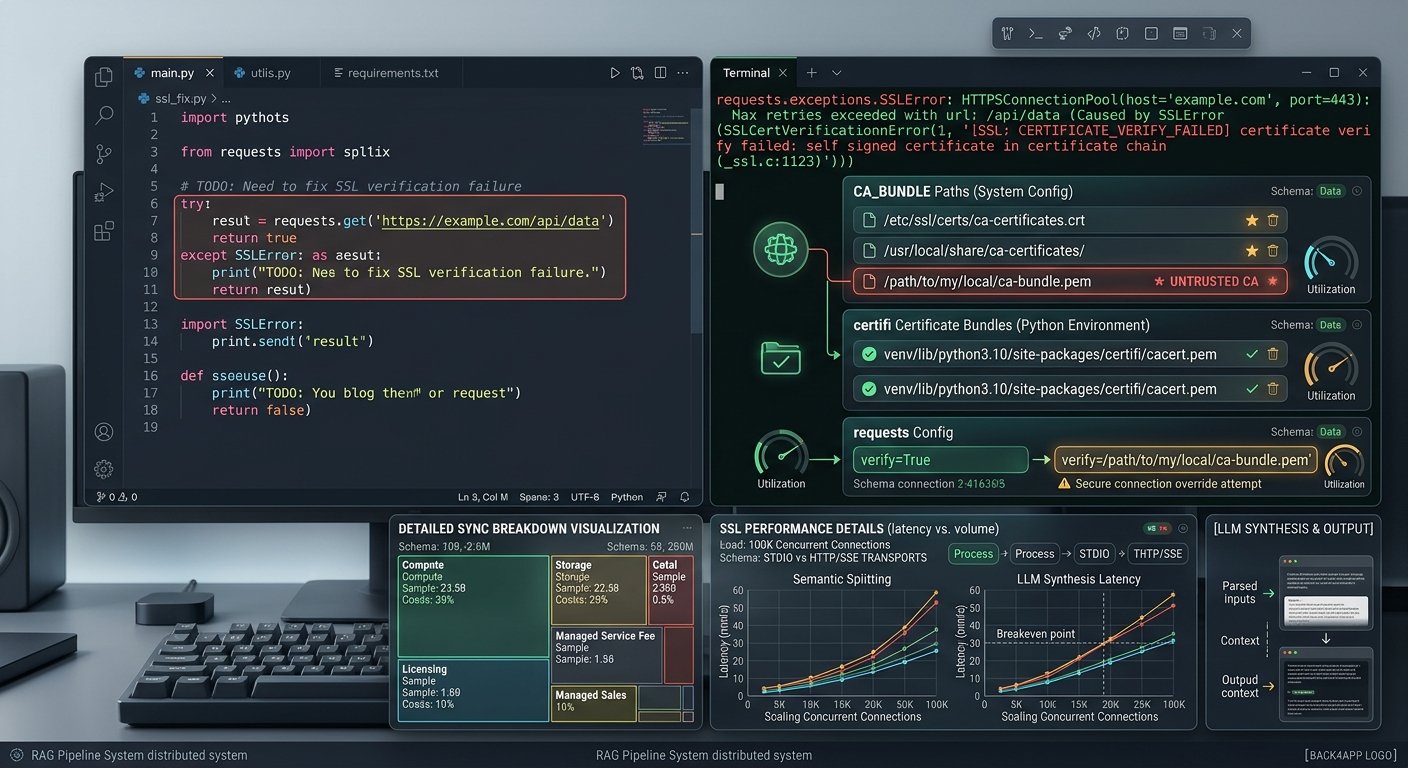
How to Fix “SSL: CERTIFICATE_VERIFY_FAILED” Errors in Python Requests

How to Fix SSL CERTIFICATE_VERIFY_FAILED Errors

Encountering an SSLError: [SSL: CERTIFICATE_VERIFY_FAILED] while writing Python web scrapers, automation scripts, or API integrations can instantly halt your workflow. This error occurs when Python’s underlying transport layer cannot cryptographically verify the SSL/TLS certificate presented by the target server. It acts as a crucial security measure to protect your environment from man-in-the-middle (MITM) attacks, but it frequently triggers false positives due to … Read more

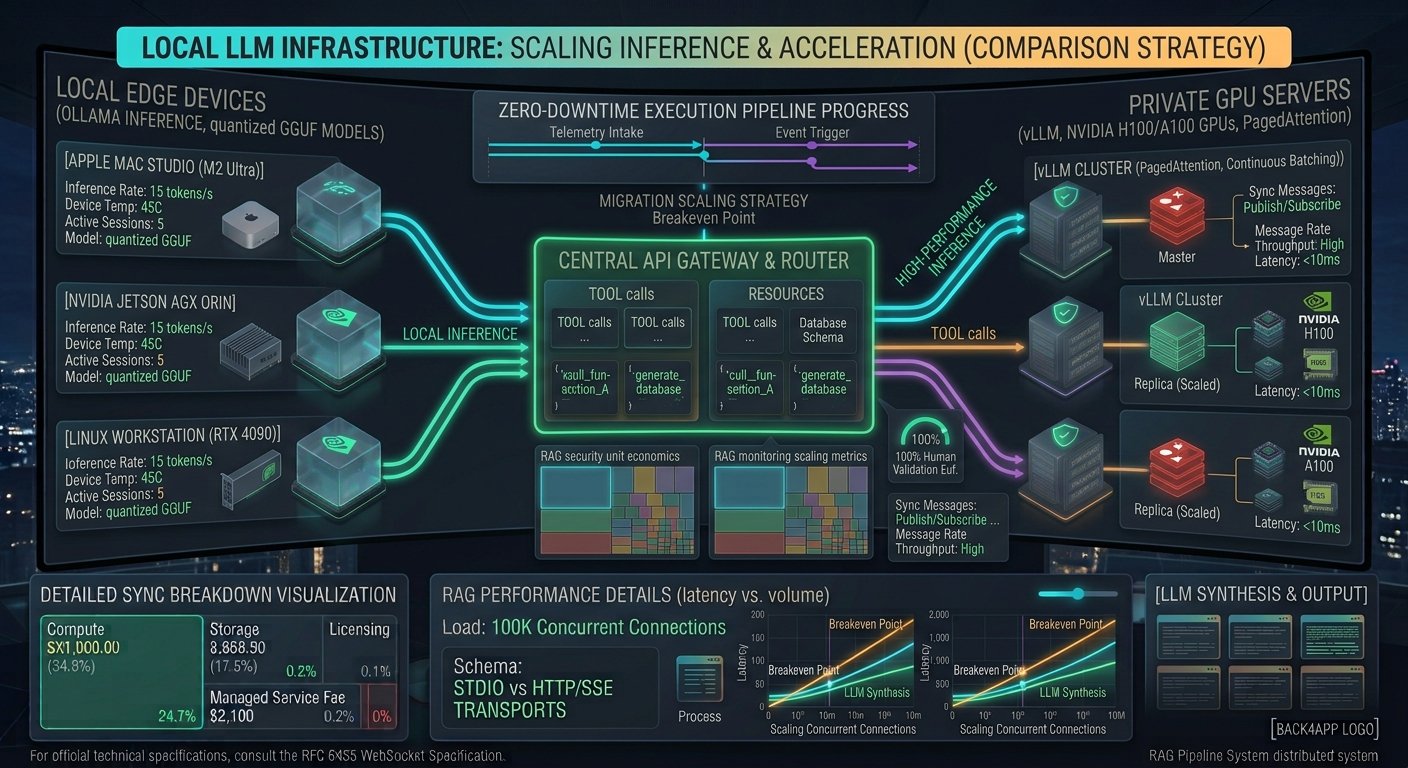
How to Deploy Local LLMs on Edge Devices and Private Servers Using Ollama & vLLM

How to Deploy Local LLMs on Edge Devices

Relying exclusively on commercial cloud LLM APIs presents significant challenges for enterprise software teams:unpredictable token pricing, strict data privacy regulations (GDPR, HIPAA, SOC 2), latency overhead, and network reliance. As open-weight models (such as Llama 3, Mistral, and DeepSeek) approach or surpass proprietary models on specialized tasks, hosting open-weight models internally has become a primary infrastructure objective. Learning how to deploy local LLMs on edge … Read more